October 15, 2026
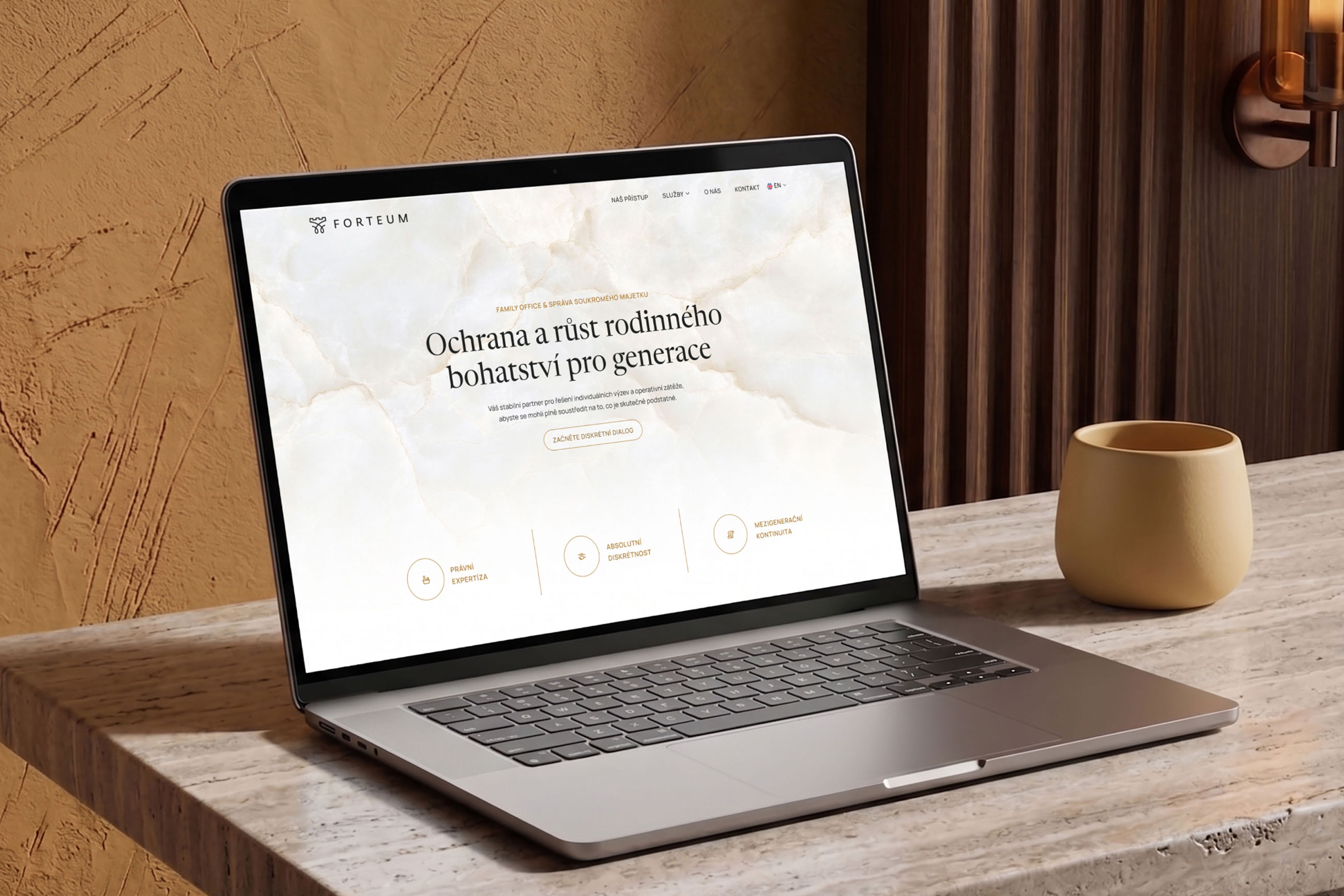
For most buyers, the website is the first time they meet your development.
That first meeting decides whether there is a second one.
Three mistakes come up again and again. They are not technical. They are decisions made in the wrong order.
The usual sequence is backwards. The renders come in, someone picks a template, the developer's nephew or the agency's junior fills it with the floor plans, and the "brand" is whatever font the template shipped with.
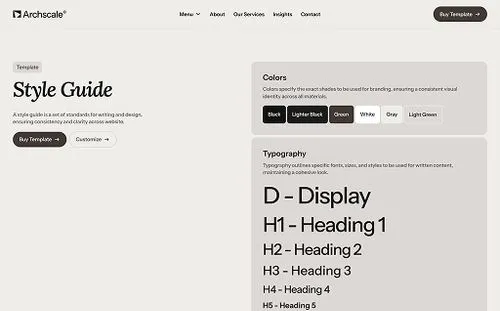
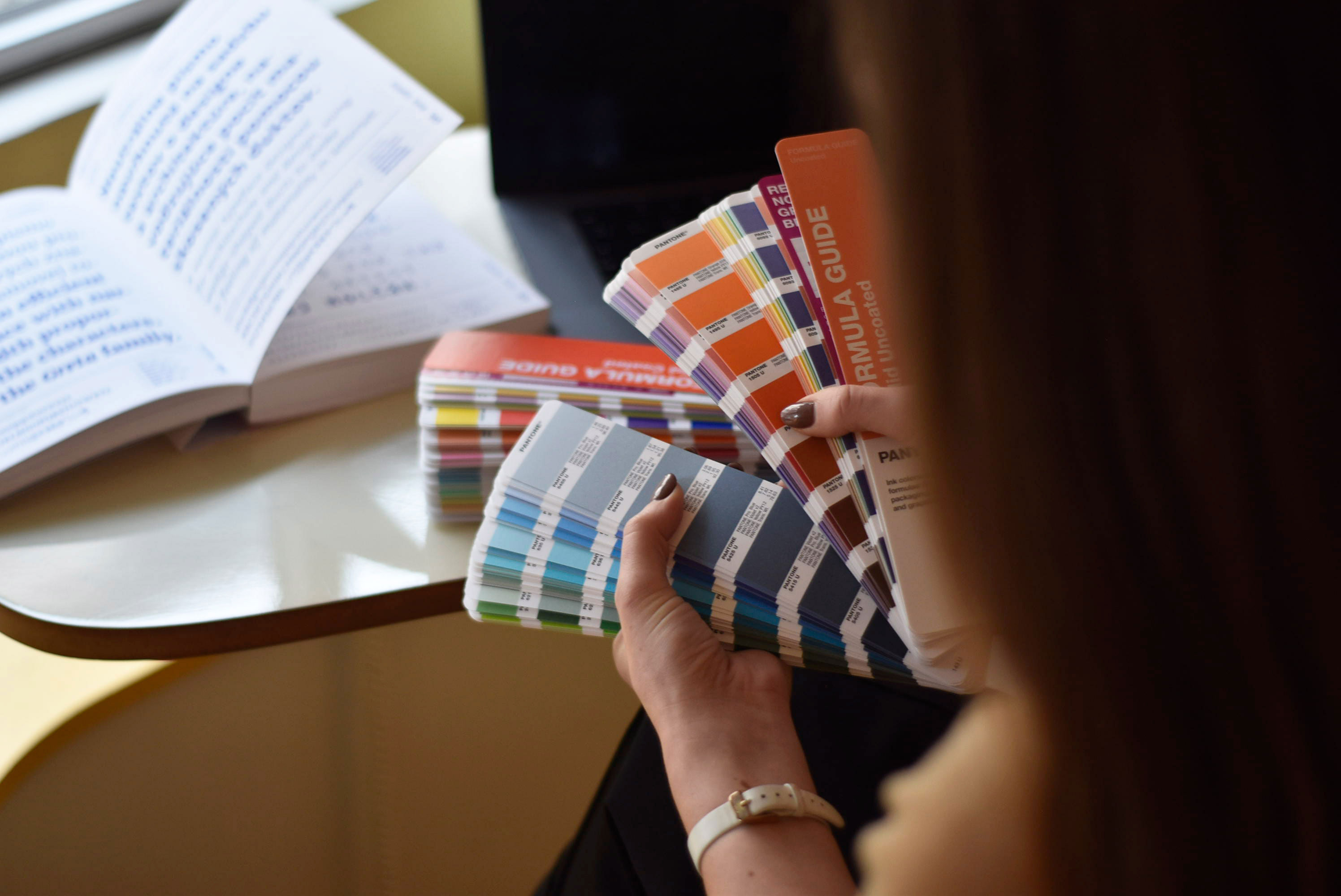
A website is not the brand. It is one place the brand shows up. And a brand is the whole impression a buyer holds of your development, decided before anyone opens a design file: who the buyer is, what the project stands for, how it should feel, what it says and never says.
Build the site before that is decided and you are decorating an empty room. Every choice, the colour, the words, the images, is a guess, because nothing underneath is telling those choices what to be. That is why so many developer sites feel expensive and say nothing. The money went into the build. The thinking never happened.
The fix is not a better website. It is deciding the brand first, then letting the site express it. The order is the whole game.
A brochure informs. A website has a job. Those are different briefs, and most developer sites are quietly built to the wrong one.
The brochure mindset produces a site that lists. Square metres, finishes, a gallery, a location map, a contact form at the bottom that nobody scrolls to. All accurate. All passive. It waits for the buyer to do the work.
A sales tool is built around what the buyer actually needs to feel and do. Serious buyers at this level don't want specs, they want to understand the story of the place and why it matters to them personally. So the site has to carry the feeling first, then make the next step obvious and easy: book the viewing, request the brochure, start the conversation. One clear action, not a wall of information and a buried form.
There is a number worth sitting with here. Most of these buyers are international, and the majority start the entire journey on a screen. If the site loads slowly, reads like a spec sheet, or hides the way forward, you have lost a buyer who was ready to raise their hand. The building never got a chance.
Open ten luxury development sites. The same full-screen render. The same thin serif over a dusk photo. The same words: elevated living, timeless elegance, a sanctuary in the heart of. The same everything.
This is the quiet killer, because it doesn't look broken. It looks fine. Fine is the problem. A site that looks like every other developer tells the buyer this project is like every other project, and interchangeable is the opposite of what a premium price is asking them to believe.
There is no neutral choice here. The generic template, the stock phrases, the safe palette: those are all positioning decisions. They position you as ordinary. The developers who stand out are the ones who built the site from their specific building and their specific buyer, so it could not belong to anyone else. Differentiation doesn't come from a louder render. It comes from being true to one project instead of copying the category.
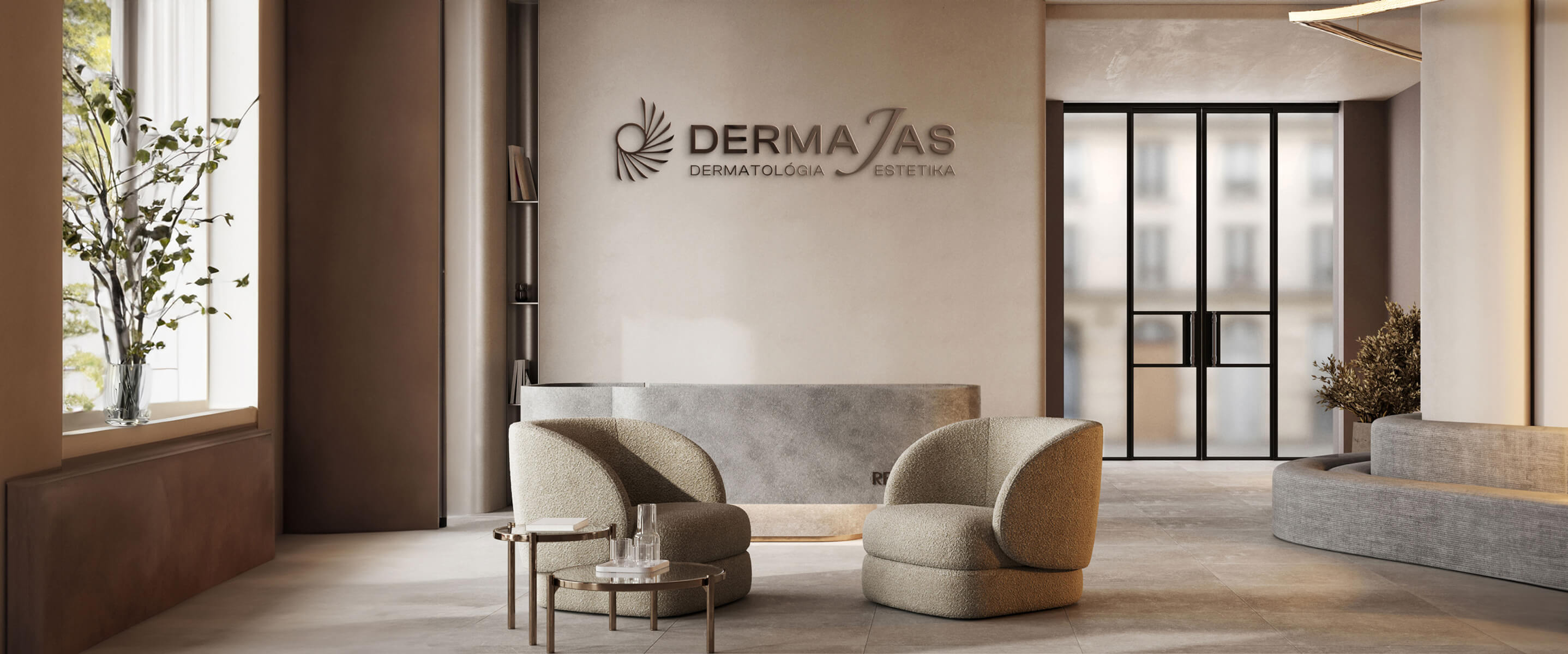
And it should look like the building. A warm, honest, textured venue should not have a cold, glossy, generic site. When the digital experience matches the physical one, the buyer trusts that the render is honest and the finishes are real. When it doesn't, a doubt creeps in that no amount of photography fixes.
All three are the same mistake wearing different clothes. The website got treated as the thing, when it is only where the thing appears.
Decide the brand first. Build the site to sell, not to list. Make it look like your building and no one else's. In that order.
A website that gets this right does not feel like a template. It feels like walking into a well-designed lobby: you know where you are, you know it's for you, and you know what to do next.
We build visual infrastructure for premium physical spaces, from the strategy through to the site. Based in Lisbon. Creating worldwide.